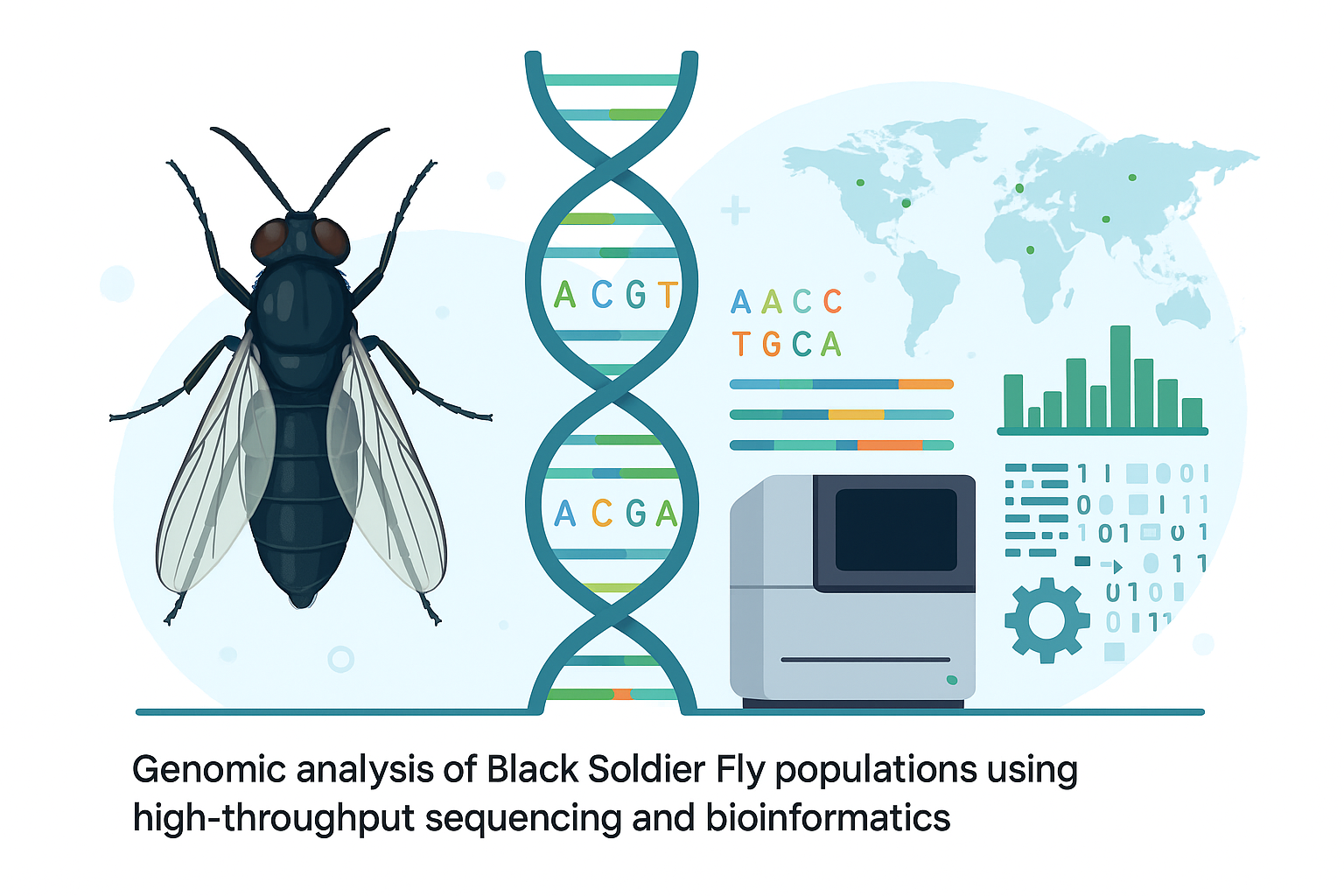
Human-Mediated Dispersal and Breeding Reshape Global Genomic Patterns in Black Soldier Flies
Our latest research reveals how human activities have significantly influenced the global distribution and genetic composition of Black Soldier Fly populations, with critical implications for sustainable insect farming.
Human activities, either intentional or unintentional, have significantly influenced the global distribution and genetic composition of many species. Black soldier fly (Hermetia illucens; BSF) is a species that has rapidly gained commercial importance due to its bioconversion efficiency of upcycling organic waste into new products of higher value and quality through a circular economy approach.
Our results reveal that most global captive BSF lines were largely derived from a single primary captive lineage, likely from North America. In contrast to the genetically diverse and geographically structured wild populations, captive populations consistently exhibited reduced heterozygosity, elevated inbreeding, and extensive runs of homozygosity.
These patterns reflect demographic processes such as founder effects and genetic drift, rather than intentional selection or domestication. This strongly highlights the lasting genomic impact of human-mediated dispersal and uncoordinated breeding practices.
Key Findings
Global captive BSF lines derived from a single North American lineage
Wild populations are genetically diverse and geographically structured
Captive populations show reduced heterozygosity and elevated inbreeding
Urgent need for genetically informed management strategies
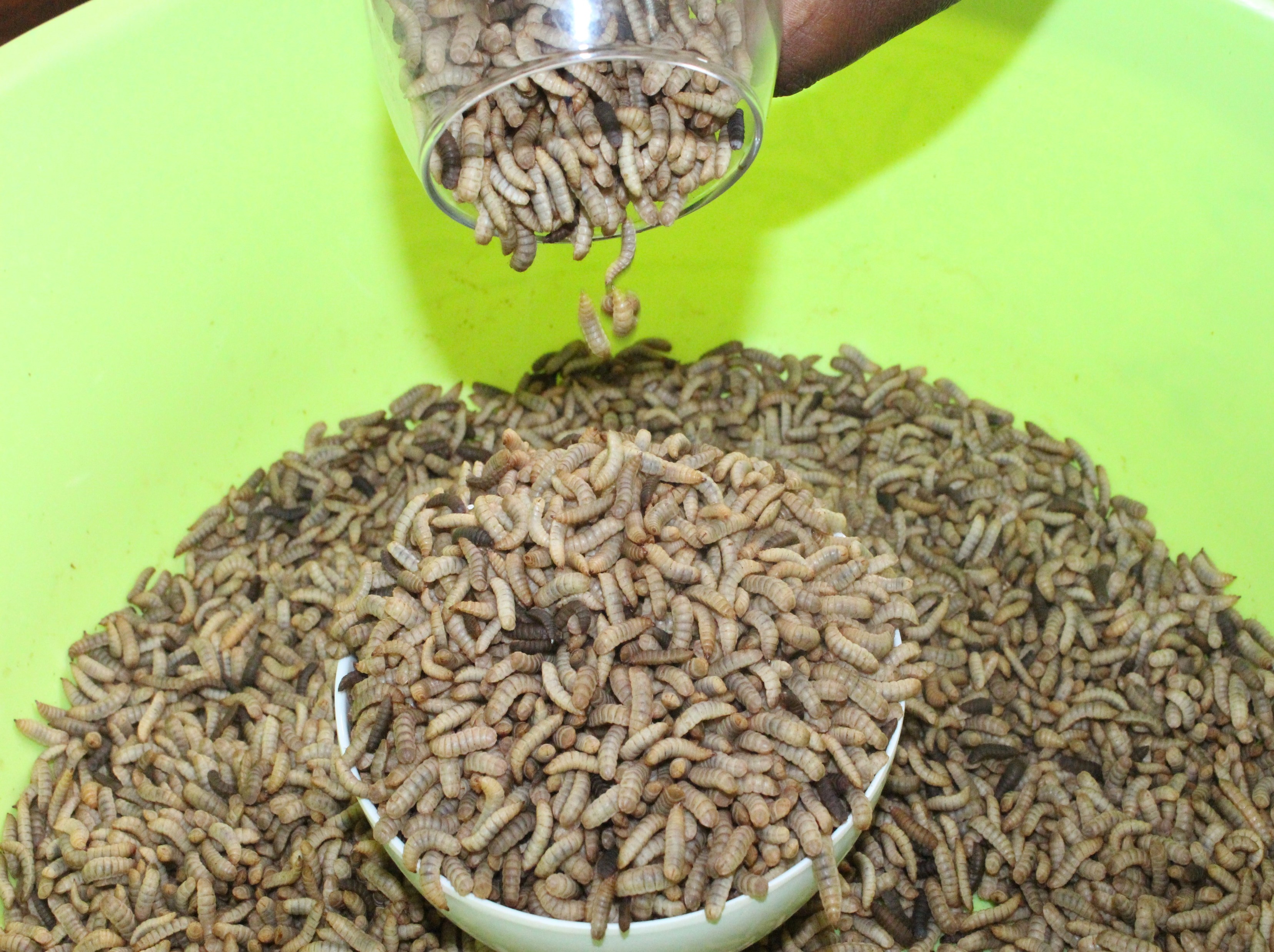
Research Implications
Our genomic research provides critical insights into the genetic impact of human-mediated dispersal, highlighting the urgent need for coordinated breeding strategies to ensure long-term viability and productivity of BSF farming.
Research Information
Lead Researchers
Zexi Cai, et al.
Publication Date
August 2025
Published In
Genomics
DOI
10.1016/j.ygeno.2026.111208
Keywords
Global Genomics, Population Genetics, Human-Mediated Dispersal, Inbreeding, BSF